
5 Tips for Custom Furniture Layouts in On‑Campus Student Housing Units
Essential Space-Saving & Flexible Student Housing Layout Strategies
- Maximize Vertical & Under-Utilized Space: In tight on-campus environments, utilizing stackable beds, lofting kits, and under-bed storage units is crucial for giving students more usable square footage.
- Prioritize Layout Flexibility: Students use their rooms to sleep, study, and socialize. Choosing modular, easily reconfigurable pieces allows roommates to adapt the layout to their specific lifestyle needs.
- Maintain Strict Safety & ADA Compliance: Custom layouts must be designed with university fire codes, egress requirements, and ADA accessibility standards in mind from day one.
- Design with Durability at the Forefront: A great layout only works if the furniture survives the academic year. Ensure your custom space plans utilize commercial-grade contract furniture built to withstand heavy daily wear.
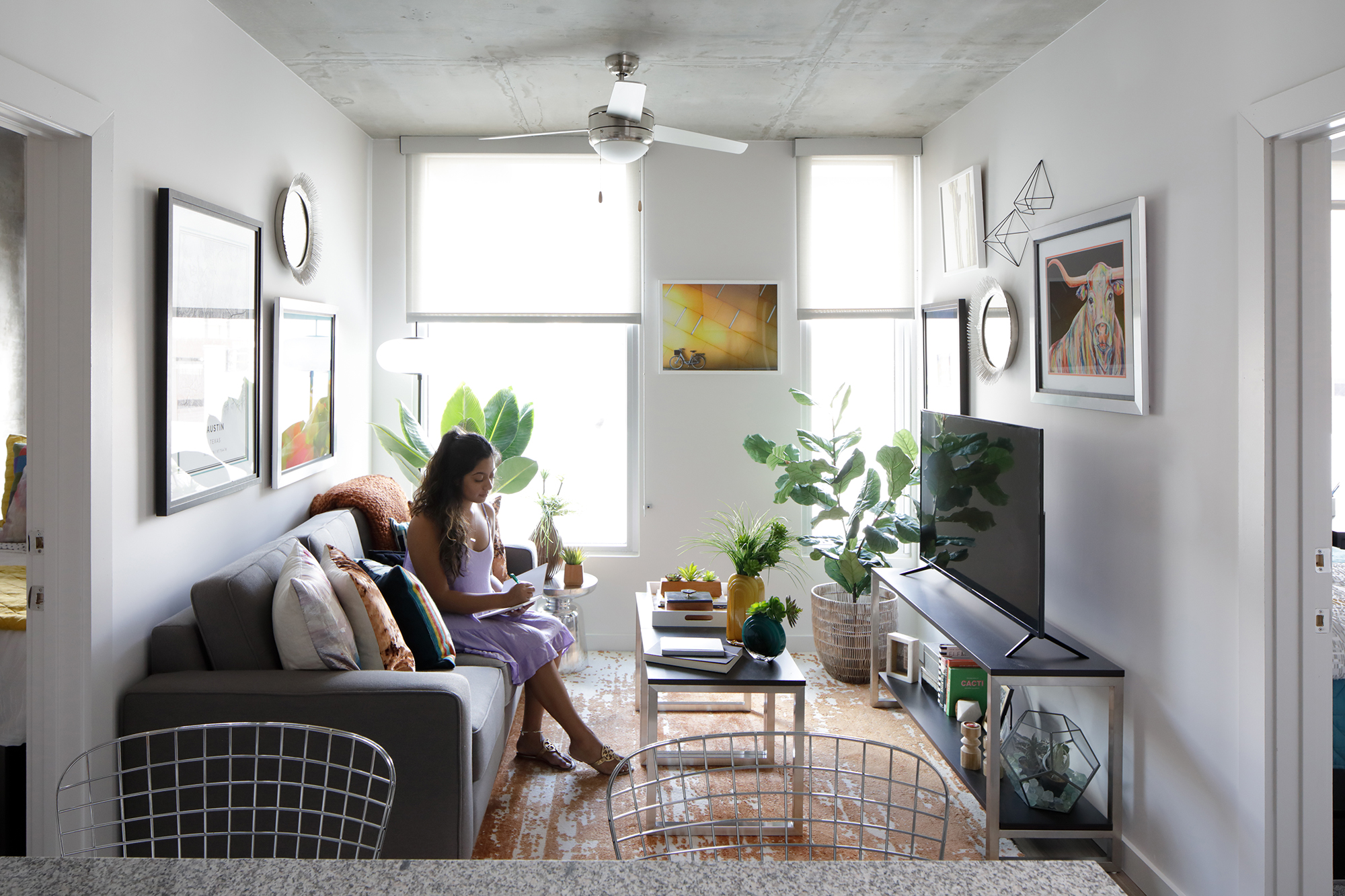
Small student spaces? No problem. The challenge of limited square footage in student housing is a common one, but it’s also an opportunity for innovative design that prioritizes both functionality and student well-being. A thoughtfully designed space can significantly impact a student’s academic performance, social life, and overall mental health, transforming a simple room into a true home away from home.
In this blog, we’re diving into all things layout, from rethinking furniture placement to using modular designs that make every inch count. Because when on-campus housing is planned with purpose, even the most compact residence halls can feel comfortable, functional, and welcoming.
At Smarter Furnishings, we’ve worked with universities nationwide to design smarter, more adaptable student spaces. Here’s what we’ve learned about turning tight layouts into purposeful, livable spaces that feel twice their size…
1. Plan your student housing layout with purpose.
Before selecting or designing contract furniture, think about how students actually use the space. Do they study more than they socialize? Do they need storage solutions for athletic gear or group projects?
The layout of everyday spaces on campus should reflect the rhythm of the student’s daily life. This deep understanding of student behavior and needs is the foundation of effective space planning, allowing institutions to create environments that truly resonate with their student population, fostering a sense of belonging and productivity.
For example, a lofted bed instantly opens floor space for a desk or lounge area underneath, while multi-functional storage pieces can double as seating or room dividers. Intentional planning keeps every square foot working toward a specific purpose.
2. Make the most of vertical space in dorms and residence halls.
Maximizing vertical space goes beyond simple shelving. Integrated power outlets under lofted beds, slide-out wardrobes, and wall-mounted desks give students storage and workspace without crowding the floor. By looking upwards, designers can transform otherwise unused areas into highly functional spaces that enhance daily living. This approach provides practical solutions and contributes to a visually uncluttered, spacious feel, which is crucial in smaller environments.
Creative vertical design can also help define “zones” in student spaces. These zones — aka designated areas for sleeping, studying, and relaxing — can be created through strategic furniture layout, room dividers, the use of rugs and lighting, and so on. The result of these “zones” is a compact space that still feels organized and practical for modern student living.
3. Add elements of privacy to shared student spaces.
Even in small or shared student housing units, privacy matters. When students are constantly surrounded by others on campus, having a designated personal retreat (however small) can be vital for boosting mental well-being and academic focus. It provides a sense of security and control, allowing students to recharge and concentrate without constant external stimuli.
Simple design choices can make rooms feel calmer and more personal, such as:
- Using strategic furniture placement to create subtle separation in shared or multi-functional rooms.
- Letting headboards or wardrobes double as visual dividers between sleeping and study zones.
- Adding low shelving or fabric panels to section off areas without blocking natural light or airflow.
Making small, thoughtful adjustments like these can help improve comfort, reduce distractions, and give every student a stronger sense of ownership in their on-campus space.
4. Shift your furniture layouts over time for the ultimate staying power.
Students change, and so should your spaces. Modular student housing furniture makes it easy to reconfigure layouts year after year — transforming single rooms into doubles or lounges into study zones with minimal effort. This kind of adaptability is a true game-changer for institutions, giving them the flexibility to respond to evolving student needs, enrollment shifts, and new teaching approaches without diving into costly renovations. It’s an investment that helps spaces stay relevant and functional for the long run.
Adjustable desks, stackable chairs, and sectional seating build on that flexibility, making it quicker for facilities teams to refresh rooms while extending the lifespan of each piece. With layouts that can shift on demand, turnover runs more smoothly — and students stay more engaged in how they use and personalize their environment.
5. Use durable, design-forward materials for long-term value.
In high-traffic student housing, durability is non-negotiable… but that doesn’t mean it has to look and feel industrial. The right student housing furniture provider will work closely with you to select finishes and fabrics that perform under pressure while still feeling warm and residential.
Matte laminates that hide fingerprints, reinforced joints that stand up to years of use, and contract-grade upholstery that softens with time all extend product life and reduce future maintenance. When durability is part of the design, you get furniture that looks good, lasts long, and supports every student who calls your campus home.
Planning your next on-campus housing project?
Our student housing furniture experts are here to help every step of the way, so you make the most out of every dollar and every square-inch.
Get in touch today to review your project goals, explore tailored product options, and receive personalized guidance from a dedicated member of our team. We can’t wait to help you create the spaces your students deserve in the moments that matter most on campus.