
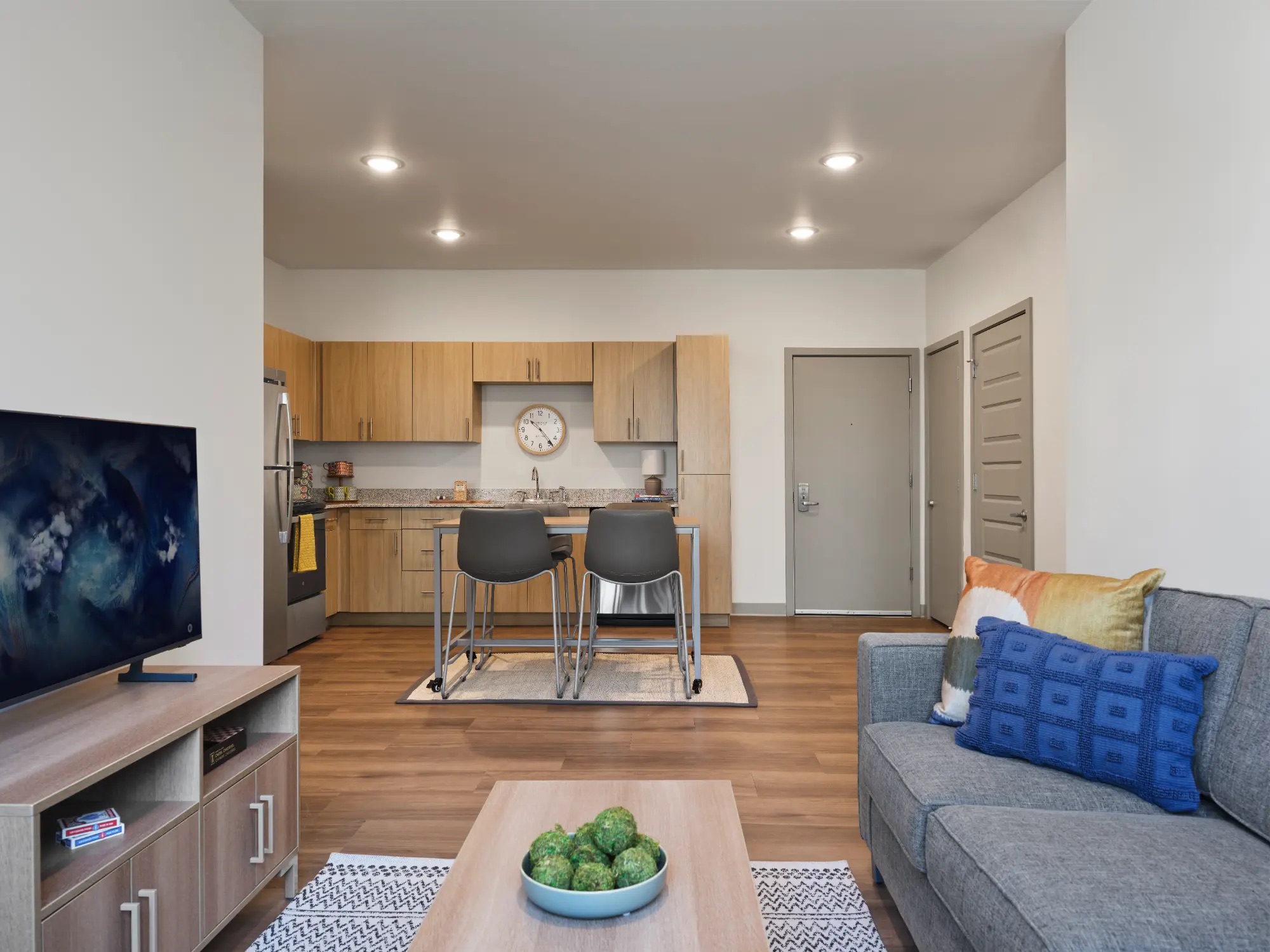
Choosing a Contract Furniture Supplier: A Guide for Success
Key Takeaways:
- High quality contract furniture should balance durability, functionality, and long-term value.
- The best commercial furniture providers help simplify complex projects through strong communication, logistics coordination, and proactive planning.
- Customization and value engineering can help teams align design goals with operational needs, timelines, and budgets.
- Material selections, testing standards, and quality construction all play a major role in long term furniture performance.
- Contract furniture lead times often depend on multiple moving pieces, from manufacturing and freight coordination to installation scheduling.
Selecting the right contract furniture supplier impacts far more than how a space looks once installation is complete. From durability and lead times to logistics, installation coordination, and long-term maintenance, the right partner can help hospitality, higher education, and commercial projects feel more organized and manageable from day one.
That’s because, these days, commercial spaces demand more than furniture alone. Commercial furniture providers are now expected to support evolving operational needs, while also helping clients create spaces that feel intentional, functional, and built to last.
Whether it’s a hotel guest room, student housing community, or shared commercial environment, clients are looking for dependable partners who can help bring their vision to life while keeping projects moving smoothly along the way.
High-Quality Contract Furniture Starts with Long-Term Durability
One of the biggest differences between residential furniture and contract furniture is performance expectations. Commercial spaces experience constant daily use, making durability one of the most important factors in the furniture procurement process.
From student housing common spaces to hotel guest rooms and office conference rooms, contract furniture must withstand heavier traffic, more frequent cleaning, and greater day to day wear without sacrificing appearance or functionality.
How materials & testing standards shape commercial performance
The best materials for contract furniture are selected with longevity in mind. Commercial grade laminates, reinforced frames, high-performance upholstery, and moisture resistant surfaces all help extend the life of furniture in demanding environments.
Key qualities buyers should evaluate include:
- Reinforced construction for high traffic use
- Commercial grade upholstery and surfaces
- Moisture and stain resistance
- Cleanability and long term maintenance needs
Testing standards also play an important role when evaluating the durability of contract furniture. Many commercial furniture pieces are tested against industry performance standards for things like stability, weight capacity, abrasion resistance, and repeated daily use.
These evaluations help hospitality and university clients feel more confident that furniture can hold up well over time in high traffic environments.
Why durability ratings matter in hospitality & university spaces
Many higher education furniture standards are designed around flexibility, resilience, and long term value. Hospitality spaces face similar challenges, especially in environments with high guest turnover and constant use.
Furniture that wears down too quickly can create unnecessary maintenance costs, operational disruptions, and inconsistent presentation across a property. Selecting furniture with quality construction, designed specifically for commercial environments, can help reduce replacement frequency while supporting a more polished, dependable experience over time.
Customizing Contract Furniture for Brand Alignment and Function
Contract furniture customization has become an increasingly important part of planning for commercial spaces. Many hospitality and higher education clients, for example, want their spaces to feel distinct to their brand — while still supporting long-term functionality and protecting their investment in each piece.
Today’s leading contract furniture suppliers work collaboratively with clients, designers, and project teams to create more intentional environments through finish and material selections, smart layouts, and value-engineered products (learn more about that below!).
Pro tip: More often than not, the right collaboration leads to better custom furniture solutions. Many brands, designers, and teams are investing in contract furniture that is specifically designed to support how people live, work, gather, and recharge through a balance of functionality, comfort, durability, and intentional design.
This furniture customization often includes:
- Upholstery and finish selections
- Flexible layouts for multipurpose spaces
- Branded design details with smart value engineering opportunities
- Space specific sizing and functionality
What is “value engineering” & when does it happen in the process?
Value engineering is the process of identifying smarter ways to support a project’s goals without sacrificing overall functionality, durability, or design intent. In contract furniture planning, this can happen at several points throughout the process, from early material selections and layouts to finish options, manufacturing approaches, and logistics coordination.
When approached collaboratively, value engineering helps projects stay flexible while balancing performance expectations, timelines, and budgets. The goal is not simply to reduce costs, but to find practical solutions that help spaces function well and feel intentional for the people using them every day.
Why Lead Times & Logistics Matter More Than Many Clients Expect
Even the highest quality contract furniture can create challenges if timelines and logistics are not managed carefully throughout the process.
From production schedules and freight coordination to warehousing and installation planning, every moving piece plays a role in keeping commercial projects on track.
How do efficient furniture delivery & logistics help minimize project delays?
A well managed logistics process can make a major difference in how smoothly a commercial project comes together. Warehousing solutions, phased deliveries, installation coordination, and on-site project management all help reduce unnecessary delays and disruptions.
More importantly, strong logistics support helps clients feel confident that every detail is being managed carefully behind the scenes, allowing teams to stay focused on the bigger picture.
What are typical lead times from custom-designed commercial furniture providers?
Custom contract furniture projects often involve multiple stages of coordination, from material sourcing and manufacturing to freight scheduling and installation planning. Because of this, timelines can shift based on product customization, global production schedules, shipping delays, or project scope changes along the way.
While it’s important to note that lead times vary depending on these factors and more, clients can typically expect timelines that account for:
- Product design approvals and material selections
- Manufacturing and quality control processes
- Overseas shipping and freight coordination
- Warehousing, delivery scheduling, and final installation planning
At Smarter Furnishings, our job as a commercial furniture partner is to help clients navigate these moving pieces through proactive communication, realistic scheduling expectations, and transparent visibility every step of the way.
Ready to Get Started?
We’re proud to work closely with architects, designers, developers, and project teams to deliver custom contract furniture solutions that support both the design vision and the everyday functionality of commercial spaces.
If you’re planning a furniture project for a hotel, university, office space, or other commercial space, our team is here to help — from early FF&E planning to manufacturing and delivery.
To learn more about how we collaborate with project teams, explore Our Process. Or, if you’re ready to start the conversation, reach out to the Smarter Furnishings team to book a meeting.
For more insights like this, explore the Smarter Furnishings blog here.