
Optimizing Student Living: Contract Furniture Strategies
Key Takeaways:
- Smart contract furniture decisions can help student living spaces feel more functional, flexible, and comfortable without increasing square footage.
- Modular and multi functional furniture solutions support the evolving ways students study, socialize, relax, and live day to day.
- Durable materials and thoughtful furniture configurations can help reduce maintenance challenges and extend product lifecycles over time.
- Customization allows universities and developers to create more intentional student environments while balancing durability and budget expectations.
- Strong procurement planning and the right furniture partner can help student housing projects stay organized, efficient, and move in ready.
Student housing spaces are expected to do more than ever before. Today’s students want environments that feel comfortable, functional, flexible, and designed around how they actually live day to day.
At the same time, universities and developers are balancing durability expectations, operational efficiency, maintenance concerns, and limited square footage across their properties. That’s where smart student dorm furniture solutions can make a major difference…
Smart Contract Furniture Solutions Designed for University Living
From modular layouts and multi-functional pieces to durable materials and smarter procurement strategies, thoughtful furniture planning can help maximize student living spaces without sacrificing comfort or long term performance.
How does modular contract furniture help student spaces work smarter?
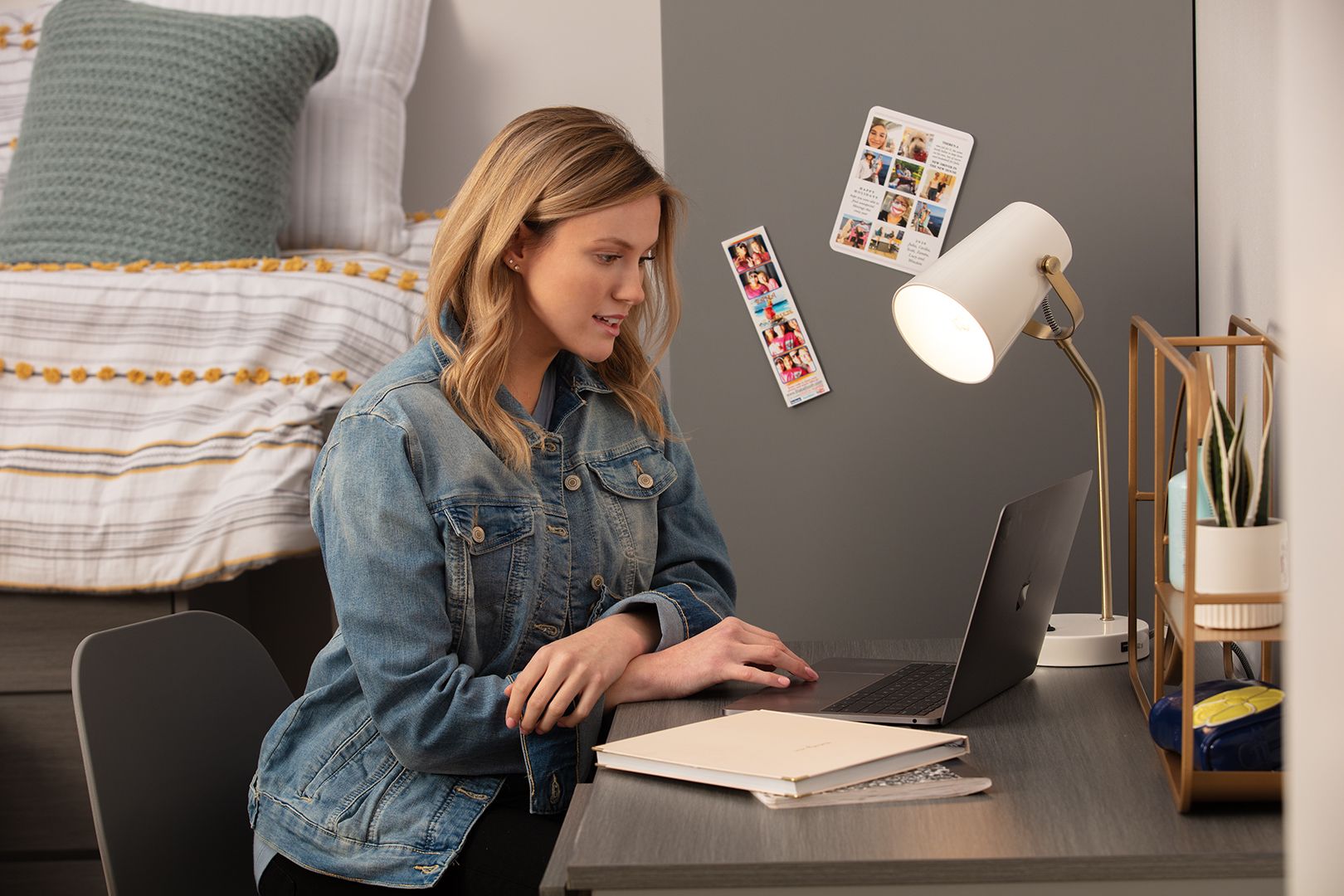
Student housing environments need to support a wide range of activities within a relatively compact footprint. Sleeping, studying, socializing, storage, and relaxation often all happen within the same room, making flexibility one of the most important considerations in university housing furniture design.
Modular furniture helps spaces feel more flexible and functional without increasing square footage. Pieces designed to work together can create more adaptable layouts that support both individual privacy and shared living environments.
Many furniture solutions for on and off campus living spaces now prioritize layouts that can be reconfigured over time, helping universities create environments that feel more versatile for different room types, student preferences, and evolving housing needs.
More importantly, smart furniture for small spaces can help reduce clutter, improve usability, and create a more comfortable overall student living experience.
Are there customization options to support student apartment spaces?
Yes, customization has become an increasingly-important part of student housing planning. Universities and developers often want furniture that aligns with branding, supports long-term durability, and creates a more intentional residential environment for students.
Common customization opportunities may include:
- Finish and color selections
- Integrated storage and power solutions
- Flexible desk and wardrobe configurations
- Space-saving furniture for students designed around compact layouts
Strong collaboration between housing teams, designers, and contract furniture manufacturers often leads to smarter solutions that balance functionality, aesthetics, durability, and budget expectations.
Space-Saving Furniture Designs Support Modern Student Living
Square footage limitations remain one of the biggest challenges in student housing environments. As a result, many universities and developers are prioritizing compact furniture for dorm rooms that can support multiple functions without making spaces feel overcrowded.
How do multi-functional furniture pieces improve compact dorm rooms?
Multi-functional student furniture helps maximize usability by allowing individual pieces to serve more than one purpose within the space. Beds with integrated storage, movable seating, modular desks, and combination wardrobe systems all help students make better use of limited square footage.
Today’s furniture design for student apartments also prioritizes flexibility in how spaces function throughout the day. A room may need to support studying in the afternoon, socializing in the evening, and rest at night, all within the same footprint.
When thoughtfully planned, these solutions can help smaller spaces feel more open, organized, and supportive of both academic and personal routines.
What are effective configurations for maximizing limited student spaces?
The most effective student housing layouts are often the ones that prioritize flow and usability instead of simply fitting more furniture into the room.
For example, many university housing furniture projects now incorporate:
- Elevated beds with built-in storage beneath
- Flexible study areas that support collaboration
- Modular seating arrangements for shared spaces
- Furniture layouts that improve movement throughout the room
Rather than treating furniture as individual pieces alone, these universities are approaching the furniture as part of the overall student experience.
Durable Materials Help Student Housing Furniture Last Longer
Student housing furniture experiences constant daily use, making durability one of the most important factors in long term procurement planning. Scratches, moisture exposure, repeated movement, and heavy traffic can all impact furniture performance much faster in student environments than in many other commercial settings.
That’s why durable student living furniture is designed specifically to support high-use conditions over time.
Why is long-term durability so important in student spaces?
Furniture replacement cycles can have a major impact on both operational budgets and the student experience itself. Pieces that hold up better over time often help reduce maintenance disruptions, replacement costs, and logistical challenges for housing teams managing large scale student communities.
More importantly, durable furniture helps spaces maintain a cleaner, more consistent appearance throughout the academic year, even with constant daily use.
How do material choices impact furniture lifespan in high-traffic areas?
Commercial grade laminates, reinforced construction methods, moisture resistant surfaces, and performance upholstery all help extend the life of student housing furniture.
Many sustainable contract furniture strategies also focus on durability and long term usability rather than simply short term material trends. Furniture that lasts longer, requires fewer replacements, and supports easier maintenance can help reduce operational strain for housing teams over time.
Key durability considerations may include:
- Reinforced construction for frequent daily use
- Moisture and stain resistance
- Cleanability and maintenance needs
- Replaceable components when possible
Smarter Furniture Procurement Starts with the Right Partner
Even the best furniture selections can create challenges if procurement and logistics aren’t managed carefully throughout the process.
Student housing projects often operate around strict academic calendars and move in deadlines, making timing and coordination especially important. That’s why furniture procurement for student housing requires careful, proactive planning year-round.
Best practices to consider during contract furniture procurement
The most successful student housing furniture projects often start with proactive planning long before installation day arrives. Early conversations around budgets, lead times, logistics, room layouts, and long term durability expectations can help universities make smarter furniture decisions at every step.
Strong procurement strategies also prioritize flexibility. Student housing timelines can shift quickly, making communication, coordinated delivery schedules, warehousing solutions, and installation planning especially important for keeping projects on track. The right procurement partner will also help identify opportunities for value engineering, phased installations, and product standardization across multiple spaces or properties when needed.
And, of course, your furniture partner should help simplify every decision along the way, reducing unnecessary stress and keeping you informed, so you feel fully prepared for move-in, move-out, and everything in between. That’s where we come in.
Ready to chat about a project? Reach out to start the conversation with Smarter Furnishings.
For more insights like this, explore the Smarter Furnishings blog here.