
Curious About Sustainable Contract Furniture? Here’s What You Need to Know
Key Takeaways:
- Sustainable furniture is the sum of manufacturer decisions and buyer decisions across a piece’s full life, not a single label on a spec sheet.
- The materials a piece is made from set what’s possible; how it’s constructed and finished decides how long that potential holds up.
- Certifications like TSCA Title VI (CARB 2) tell you what a piece will and won’t put into the air of the room it lives in.
- Replaceable parts and repair-friendly contract furniture construction are what keep a piece in service through more than one resident cycle.
- Buying at scale, especially in student housing, is where a single sustainable choice compounds into real environmental impact.
For anyone specifying furniture for a shared space, sustainability has moved from a “nice to have” into a real line item on the spec sheet. Ownership groups, campus leadership, and residents are all asking about it — but what “sustainable” actually means in a contract furniture context is often less clear.
In a contract furniture context, sustainable furniture is the whole path a piece takes from raw material to landfill, and the decisions made along the way to make that path shorter or longer. Some of those decisions belong to the manufacturer; some belong to the buyer; and the environmental impact of the piece is the sum of both.
Here’s a quick look at where those decisions get made and what to look for as you specify your next project.
Sustainable Furniture Starts with What It’s Made From
At the very beginning of any piece’s environmental story sits the raw material. Different materials carry different footprints from the forest or the mine all the way to your loading dock, and that footprint follows the piece for the rest of its life.
What materials make contract furniture more sustainable?
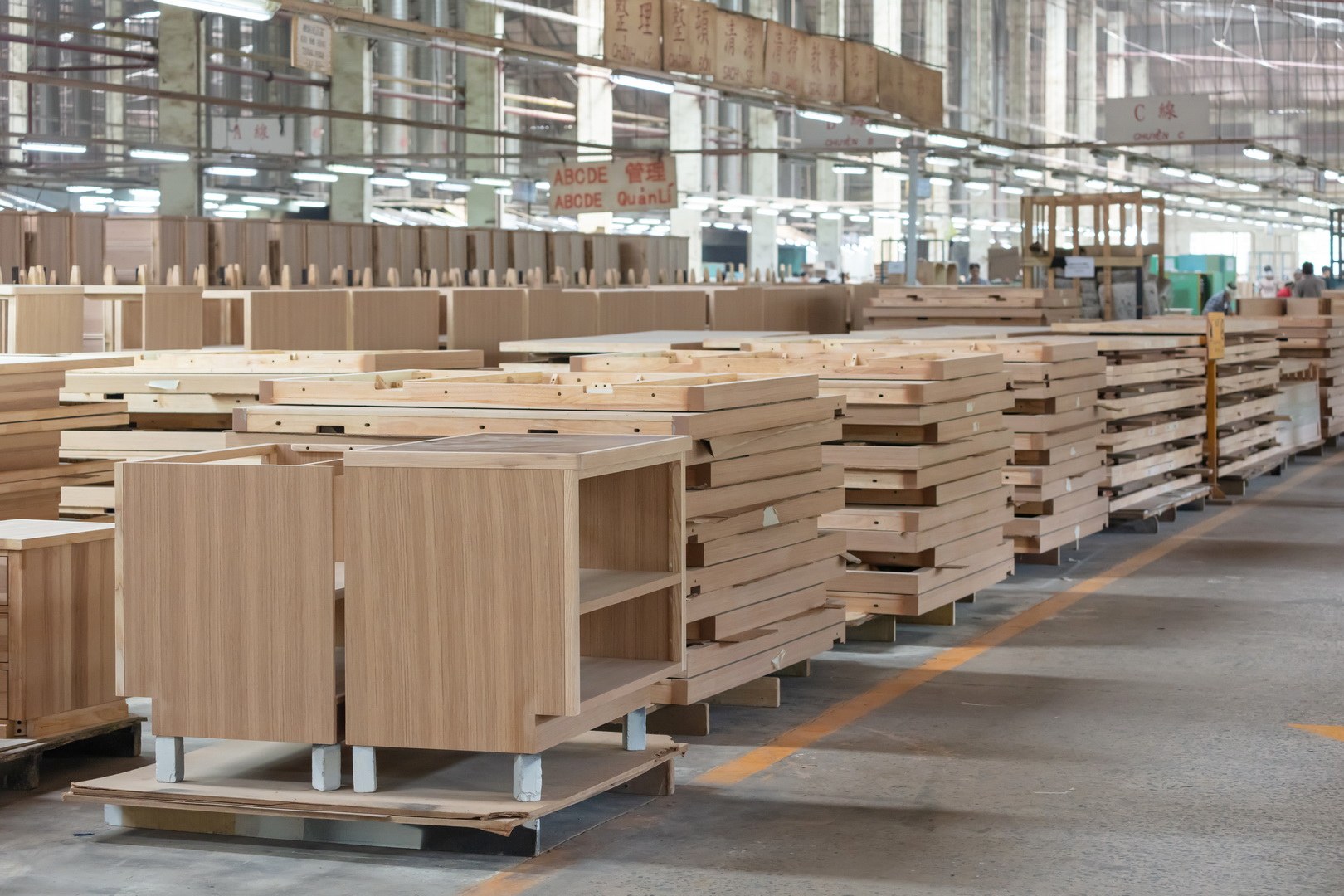
Renewable and rapidly regenerating materials tend to sit at the top of the list. Farmed rubberwood is one we build with on our own products, harvested from rubber trees after their latex-producing years are done. Because the tree has already served an economic purpose before it becomes lumber, the wood carries less of the land-use cost that comes with a purely lumber-driven harvest.
Other materials worth asking about include:
- Responsibly-sourced hardwoods with chain-of-custody certification
- Recycled metals for frames & hardware
- Upholstery textiles with recycled content or natural fibers
- Low-emission adhesives & finishes
Material choice alone doesn’t tell the whole story, though. Responsibly-sourced wood built into a piece that lasts two years still lands in a landfill on a short timeline, which puts a piece’s life span alongside its material as part of the sustainability picture.
A Long Life Cycle Serves as Its Own Kind of Sustainability
In sustainability terms, the piece of furniture with the smallest footprint is often the one you never have to replace. That’s the argument behind investing in durable, well-built contract furniture rather than something priced lower up front that lasts a fraction as long.
Why does durability count as a sustainability decision?
Every piece that stays in service is a piece that doesn’t go to a landfill, and it’s a piece that doesn’t need to be manufactured, packaged, and shipped again. A solid wood desk, dresser, or storage piece built with traditional joinery and properly kiln-dried and finished can carry years of daily use on the same frame.
At Smarter Furnishings, our 25-year casegoods warranty reflects the confidence we put in that construction, covering repair and replacement (including tops and fronts) across the life of the piece.
Which components can be replaced without replacing the whole piece?
Replaceable parts are one of the clearest sustainability signals a manufacturer can build into a piece, because a manufacturer designs for them only when it expects the piece to outlast its first fabric. We build with replaceable upholstery fabrics, so a chair with a worn seat gets recovered and goes back into service instead of being carted out.
Pro tip! Ask the same question about tops, fronts, and hardware on any piece you’re specifying. Every “yes” on that list is a piece that stays in the room after a small repair rather than one that leaves for a single point of wear.
Certifications Tell You What the Piece Will Emit into the Air
Sustainability also covers what a piece is doing to the room while it’s in use, and certifications are the paper trail for that side of it. For a residence hall (or any space where people sleep and spend a lot of time), that documentation carries more weight than it does in a warehouse.
What does TSCA Title VI (CARB 2) actually cover?
TSCA Title VI is a federal standard that limits formaldehyde emissions from composite wood products, and CARB 2 is the California-set benchmark most manufacturers test against. A piece that carries the certification has been tested and confirmed to release no off-gassing or VOCs (volatile organic compounds) into the surrounding air.
Our products are TSCA Title VI certified under CARB 2, tested by the California Air Resources Board, and we can produce the documentation for a bid package on request. That certification sits alongside a few others we hold ourselves to across our full product line.
What Happens During Manufacturing Matters Too
A piece’s environmental footprint gets set long before it arrives on site. The manufacturer’s own operations, from raw material sourcing through packaging, are part of the story too, and a few pointed questions will surface most of what you need to know.
What should you ask a contract furniture partner about sustainability?
Six questions cover most of the ground:
- Where is the raw material sourced, and what certifications back that source?
- What emissions and off-gassing standards do the finished pieces meet?
- Which components are designed to be replaced separately from the whole piece?
- Are the packaging materials made from recycled content?
- What warranty covers repair and replacement, and for how long?
- What happens to old furniture when a new order goes in?
Our own packaging is made from 90% recycled materials, and old furniture removal and disposal is available upon request, with donation coordination when a partner in the region can accept it.
For more on how sustainability choices show up in a procurement decision, our post on how to maximize value in contract furniture procurement works through the trade-offs.
In Student Housing, Sustainable Choices Compound
The reason student housing makes such a clear illustration is scale: a single residence hall might carry several hundred desks, chairs, and beds; a portfolio might carry thousands. Each decision on the spec sheet gets multiplied by that count.
Choosing a piece with replaceable upholstery instead of a fixed-cover chair saves one seat cushion per unit at a per-unit level and a thousand cushions from the landfill at the property level. Specifying a casegood built to a 25-year warranty — instead of one built to five years — keeps one piece per unit in service and, at the property level, hundreds or thousands of pieces across the life of a building.
Every Sustainable Decision Adds Up Over a Building’s Life
Materials to source, air quality to protect, and a life span that reaches beyond the first cycle of residents: sustainable furniture is what you get when a manufacturer and a buyer work through those decisions together on the same piece, before it ships.
From the raw material through the finish through the warranty terms, each decision counts, and asking about them early is what makes a contract furniture package work smarter across the years a building keeps it.
For more insights, planning tips, and real-world project examples, explore the Smarter Furnishings blog.
Ready to chat about a project? Reach out to start the conversation with Smarter Furnishings!