
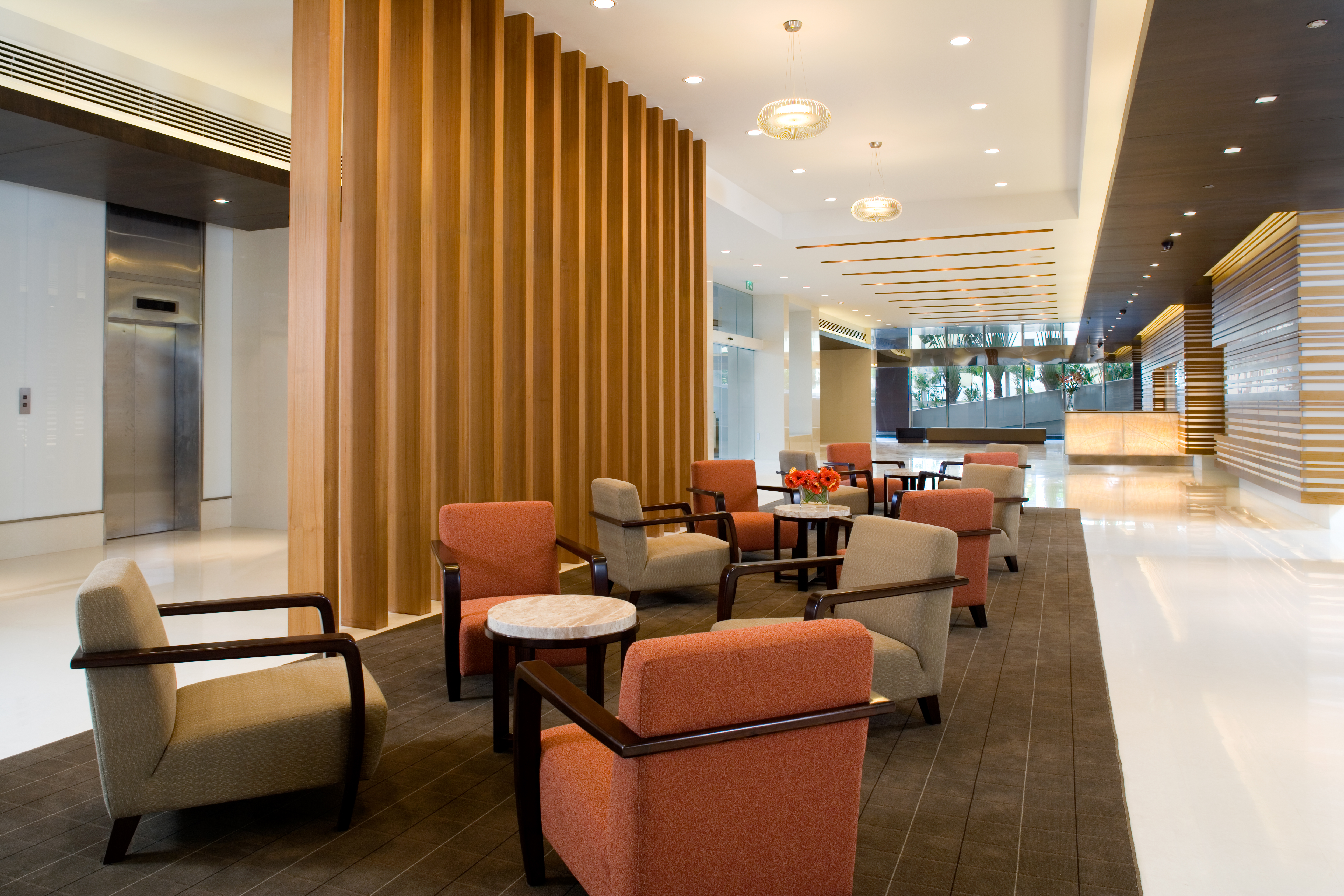
Why Modern Design Matters in Contract Furniture
Key Takeaways:
- Today’s contract furniture trends prioritize durability, flexibility, and long-term performance.
- Modern design blends aesthetics with function to improve user experience across commercial spaces.
- Sustainable contract furniture supports both environmental goals and long-term usability.
- Ergonomics plays a critical role in comfort, productivity, and overall satisfaction.
- Custom and modular solutions make it easier to adapt furniture to evolving space needs.
When it comes to commercial spaces, furniture design has evolved well beyond appearance alone. Today, modern contract furniture is expected to do more — supporting durability, improving user experience, and adapting to how spaces are used every day.
From hospitality environments to student housing and workplaces, modern furniture solutions are shaped by a balance of performance, flexibility, and thoughtful design. This shift reflects a broader change in how spaces are planned and experienced, where every detail contributes to how people move, interact, and feel within every space.
The Role of Modern Design in Contract Furniture
Modern design in contract furniture is less about following trends and more about solving real-world challenges. It brings together materials, construction, and form in a way that supports both visual appeal and long-term use.
Combining Durability with Modern Aesthetics
In commercial spaces, furniture needs to hold up under constant use without losing its appearance. That’s where modern design makes a difference. Clean lines and thoughtful material choices (two staples in modern design) often reduce joints and detailed elements, making furniture easier to maintain and better suited for long-term use.
Many modern furniture materials, including high-performance laminates, engineered wood, and commercial-grade upholstery, are selected not just for how they look, but for how they perform. These materials are designed to meet evolving furniture durability standards, helping spaces maintain a consistent, polished feel even with heavy use.
The takeaway here? Whether it’s flexible seating in shared spaces or multi-purpose furniture in compact layouts, thoughtful modern design can help improve how people exist in and interact with a commercial space over an extended period of time.
How Sustainable Materials Shape Modern Furniture Solutions
Sustainability is no longer a secondary consideration… It’s a key part of modern contract furniture design. Today’s contract furniture manufacturers are placing greater emphasis on materials and processes that reduce environmental impact while maintaining performance.
Sustainable Materials for a Longer Furniture Lifecycle
Today, modern contract furniture often incorporates sustainability through responsibly sourced materials, low-emission finishes, and construction methods designed for longevity. The goal is to create furniture that lasts longer, reducing the need for frequent replacement. This approach benefits both the environment and the overall lifecycle of a space — plus, many customers, guests, and students love to see sustainable solutions in their spaces!
Furniture Certifications & Responsible Practices
This enhanced focus on sustainability also shows up through certifications and responsible manufacturing practices. These sustainable furniture standards help ensure that materials and production methods meet specific environmental and performance benchmarks.
For many modern buyers, knowing the furniture supports broader sustainability goals (without compromising on durability or design) can add another layer of confidence to their decision to work with a supplier.
Why Ergonomics Matters in Modern Contract Furniture
Comfort is another key part of how people experience a space, and ergonomics plays a central role in achieving it.
In environments where people spend long periods of time, such as offices or study spaces, ergonomic contract seating becomes essential. Proper support, adjustability, and thoughtful design help reduce strain and improve overall comfort.
Designing for Health & Long-Term Use in Modern Spaces
Beyond immediate comfort, ergonomic design plays a role in long-term well-being. Furniture that encourages better posture and reduces physical strain can support healthier environments, especially in high-use commercial settings.
As part of evolving contract furniture trends, ergonomics isn’t just “nice to have” anymore, it’s an expected element of modern furniture that reflects a broader shift toward designing spaces that actually support the people who use them.
How Customization & Modular Solutions Support Modern Spaces
No two commercial spaces are exactly alike, which is why flexibility has become a defining feature of modern design. Standard solutions can work, but they don’t always account for the specific needs of a space.
Modular furniture offers a more adaptable approach. Pieces can be reconfigured, expanded, or adjusted over time, allowing spaces to evolve without requiring a full redesign. This is especially valuable in environments like student housing, hospitality, and shared commercial spaces where needs can shift quickly.
Custom contract furniture options take this flexibility a step further: By adjusting dimensions, finishes, and configurations, furniture can be designed to better align with both the physical layout and the intended use of the space. And when these elements come together, spaces feel more cohesive, more intentional, and easier to maintain over time.
Bringing Modern Design into Your Contract Furniture Strategy
Modern design isn’t a one-time decision, it’s part of how your entire furniture strategy comes together. From early planning to final selections, it influences how pieces are chosen, how spaces function, and how everything holds up over time.
A Smarter Approach to Furniture Procurement
Working with experienced contract furniture manufacturers and partners helps keep design, materials, and timelines aligned throughout the furniture procurement process. It also makes it easier to navigate the growing range of modern furniture designs, selecting solutions that balance aesthetics, durability, and functionality without overcomplicating the project.
At its core, modern contract furniture isn’t just about keeping up with trends. When durability, sustainability, ergonomics, and flexibility are considered from the start, the result is a space that not only looks nice, but works the way it should for the people it serves.
Ready to chat about a project? Reach out to Smarter Furnishings to start the conversation!
For more furniture insights, planning tips, and real-world case studies, explore the Smarter Furnishings blog.