
Stylish Contract Furniture for Hotels: What’s Trending and Why It Matters
How Sustainable, Eco-Friendly Materials Are Reshaping Hotel Furniture
- Bridging Style and Durability: Today’s hotel guests expect the elevated, stylish aesthetics of high-end residential design, but facility operations still demand the uncompromising durability of commercial-grade manufacturing.
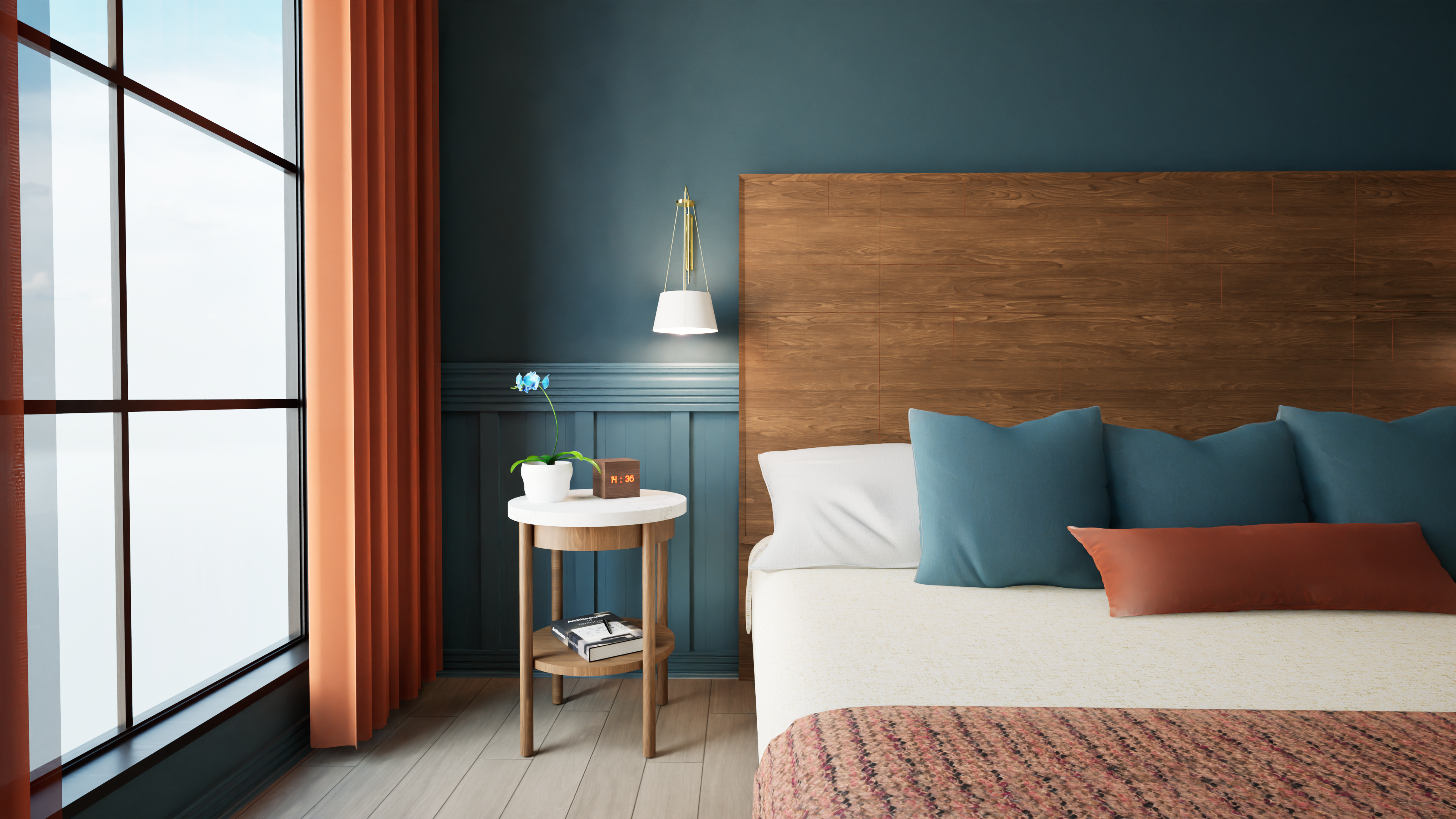
- Current Hospitality Trends: From warm, inviting neutral palettes and biophilic design elements to multi-functional pieces that accommodate both work and relaxation, hotel layouts are evolving to feel more like a “home away from home.”
- Why Contract-Grade Matters: A trendy design is only valuable if it lasts. Utilizing contract-grade materials ensures that stylish silhouettes can withstand the heavy foot traffic, frequent cleaning, and rigorous wear of a busy hospitality environment.
- Brand-Specific Customization: Partnering with a custom manufacturer allows hotels to precisely match their unique brand identity and aesthetic vision without sacrificing safety compliance or structural integrity.
When you stay at a hotel, the furniture isn’t just there to look pretty; it’s specially chosen to be tough, safe, and match the hotel’s style. This article will show you how the furniture — from the materials it’s made of to its design — plays a big role in how you experience your stay, how smoothly the hotel runs, and even how often guests return.
It’s for anyone interested in what makes a hotel room feel special, from hotel owners to interior designers. We’ll explore the latest trends, offer tips for choosing furniture, and explain how smart choices can lead to happier guests and better business.
Key Hospitality Furniture Design Trends to Watch
The latest trends in hotel furniture are all about enhancing the guest experience and helping hotels operate efficiently. Right now, you’ll notice a big push for furniture that’s good for the planet and promotes well-being. These ideas influence everything from the materials used to how furniture is cared for.
- Sustainable materials: Prioritize recycled content, FSC-certified woods, and performance fabrics that lower environmental footprint and appeal to eco-conscious guests.
- Customization and local craft: Use bespoke headboards and locally sourced finishes to tell place-based stories that differentiate boutique hotels.
- Multifunctional furniture: Specify modular lobby seating and convertible guestroom elements to increase room flexibility and operational efficiency.
- Biophilic & wellness integration: Incorporate natural materials, planters, and ergonomic seating to support guest wellbeing and perceived luxury.
- Smart integrations: Add wireless charging, discreet IoT readiness, and sensor-friendly fittings to improve guest convenience and operational data.
- Curved forms & color shifts: Introduce rounded seating and deeper greens or warm browns to signal contemporary luxury and comfort.
How Sustainability & Eco-Friendly Materials Shape Hospitality Furniture
Choosing sustainable furniture means picking materials and making processes that are kinder to the environment, while still being strong enough for commercial use. This makes guests feel good about their stay and can even help hotels attract more visitors who care about the planet.
You’ll often see things like recycled metals, wood from responsibly managed forests, and durable fabrics that last a long time. Guests are increasingly looking for hotels that show a commitment to sustainability, and many are willing to pay a bit more for an eco-friendly experience. This means investing in furniture that looks great and holds up well over time is a smart move. Hotels also need to think about how these materials are cleaned and maintained to ensure they can stand the test of time and traffic.
Why Customization & Bespoke Design is Essential for Boutique Hotels
For smaller, boutique hotels, custom contract furniture helps tell a unique story that connects with the local area. Think custom headboards, special accent pieces made by local artisans, and unique fabric colors that create a cohesive look. Customization like this can help make the hotel stand out and attract guests looking for a memorable experience.
To keep costs and delivery times in check, furniture designers often use basic frames that can be customized with different surfaces and finishes. Working closely with designers and manufacturers from the start helps create these special pieces without unexpected delays or costs, allowing boutique hotels to have a distinct style while staying on budget.
What’s Next for the Future of Hospitality Furniture Design?
The future of hotel furniture design is all about making guests feel comfortable and healthy, creating flexible spaces, and using materials that are both pleasant to touch and incredibly durable. These trends come from guests wanting more well-being during their travels and hotel owners needing furniture that lasts longer. Designs will increasingly blend natural elements, technology that makes things easier for guests, and colors that feel timeless yet connected to the local culture.
In simple terms, this means choosing furniture that can be easily rearranged, includes smart features that are easy to maintain, and finishes that look good even after heavy use. Thinking about these things early on helps hotels avoid costly changes later and ensures the design meets both guest expectations and business goals.
Emerging Color Trends in Luxury Hospitality Interiors
In 2025 and beyond, luxury hotels are leaning towards deeper, natural colors like rich greens, warm browns, and soft terracotta. These are often balanced with neutral background colors to keep rooms feeling bright and spacious. These palettes help tell a story about the hotel’s location and craftsmanship, especially when paired with textured materials like brushed metals and cozy fabrics.
Hotels might use bolder accent colors in lobbies to create a dramatic first impression, while keeping guest rooms in calmer shades for a restful sleep. Small touches like cushions, throws, and artwork can add pops of color without requiring permanent changes. No matter the design, careful planning of colors helps ensure the hotel’s brand identity is consistent and that the furniture will look good for years to come.
Strong, Durable Furniture in High-Traffic Hotels
In busy hotel areas, furniture needs to be incredibly durable and easy to maintain to prevent breakdowns and unexpected replacement costs. Things like how well fabrics resist wear and tear, how strong the frames are, and how long the hardware lasts are all tested to predict real-world performance. Regular maintenance, like scheduled inspections and timely repairs, helps extend the life of the furniture and keeps it looking good for guests. When hotels prioritize strong construction and easy maintenance, they reduce ongoing costs and provide a consistent, high-quality experience that supports their brand.
Flexible, Scalable Furniture That Maximizes Hotel Spaces
Multifunctional furniture makes hotel rooms more useful and adaptable to different guest needs. This includes seating that can turn into a workspace, fold-away tables, and modular lounge pieces that can be rearranged for events. These flexible systems are especially valuable in boutique hotels where space is limited, and versatility can even help generate extra income from events or co-working spaces.
Furniture designed for easy maintenance — like replaceable cushions and standardized parts — reduces long-term costs and speeds up changes when rooms are reconfigured. For hotel chains, choosing systems with a consistent basic design but changeable finishes allows for local style variations without having to redesign everything from scratch. This approach offers convenience for guests, flexibility for operations, and simpler supply chains.
Smart Furniture for Better Guest Experiences & Hotel Operations
Smart furniture features — like wireless charging spots, built-in LED lights, and hidden sensors — make things more convenient for guests and provide useful information for hotel staff. This data can help with preventive maintenance and energy management. When choosing smart furniture, hotels look for electronics that are easy to access for service and suppliers who commit to software updates and long-term support.
Coordinating between furniture makers, tech teams, and hotel operations early on prevents costly mistakes and ensures these smart features work reliably for guests. As more guests expect smart room features, hotels that adopt them early can offer premium rooms or loyalty perks. When done right, smart furniture not only makes guests happier but also provides valuable data that reduces maintenance issues.
Biophilic & Wellness-Integrated Furniture for Hotels
Wellness-focused furniture includes thoughtful design, natural materials, and sensory elements to boost guest well-being. This helps hotels appeal to the growing number of travelers seeking health-conscious stays. Features like comfortable headboards with back support, adjustable reading lights, breathable fabrics, and even built-in planters in public areas show how furniture can actively make guests feel better.
When choosing these items, hotels look for materials with low chemical emissions and fabrics tested for air quality to support their wellness claims. Measuring how much guests appreciate these features (through satisfaction surveys or repeat bookings) can help justify the initial investment, leading to higher revenue and more loyalty. Bringing these design elements to life requires teamwork between designers, purchasing teams, and hotel staff to ensure everything works well and lasts, which is why choosing the right furniture partner makes all the difference.
Smarter Contract Furniture Solutions for Hospitality Spaces
Smart furniture solutions for luxury hotels and resorts combine strong construction, designs that can be used across many properties, and detailed quality checks to ensure the furniture looks great and holds up under constant use. The focus is on how furniture is built (like reinforced frames, firm cushions, and hardware made for frequent use) to make it last longer and reduce replacement costs. The goal is to translate design ideas into furniture that can be manufactured efficiently and maintained easily, without losing that special, unique feel.
Navigating the Contract Furniture Procurement Process
A well-organized purchasing process helps hotels get the right furniture on time and ensures it meets their brand standards and durability needs. This structured approach clarifies who is responsible for what and sets clear goals for design, sampling, production, and installation.
Key steps include: agreeing on the design, creating detailed furniture specifications, approving samples, checking quality during production, coordinating shipping and installation, and managing warranties after everything is in place. Clear requests for proposals (RFPs) that outline delivery times, warranty terms, references, and sample requirements help hotels compare suppliers fairly and avoid surprises.
How to Choose & Work with Hotel Furniture Suppliers
- Know what you need: Clearly describe the furniture design and how well it needs to perform.
- Ask for proposals: Send out requests that include expectations for samples, testing, delivery times, and warranties.
- Check samples carefully: Test how well fabrics wear, how strong the frames are, and if the finishes are consistent before giving approval.
- Confirm quality checks: Ask for proof of quality control during manufacturing and how any issues will be fixed.
- Plan delivery: Coordinate shipping schedules, where furniture will be stored, and the order of installation on-site.
- Manage warranties and spare parts: Agree on how quickly issues will be addressed and keep essential spare parts on hand for quick fixes.
Planning your next contract furniture project? Our furniture design experts and custom furniture providers are here to help. Get in touch today to discuss your order with a dedicated member of our team.